
The car park that already knows your number plate
Drive into a newer mall or office tower in the Klang Valley and you may notice something missing. There is no ticket to pull and no card to tap. Your plate gets read at the lane, the arm swings up, and on the way out the fee is already worked out from the time logged. For drivers it feels like a small convenience. For building owners and managers, it is a fairly big shift in how a car park is run.
This explainer looks at how licence plate recognition works, how it connects with cashless payment, what can go wrong, and the privacy points Malaysian operators should think about before switching.
How a camera turns a plate into data
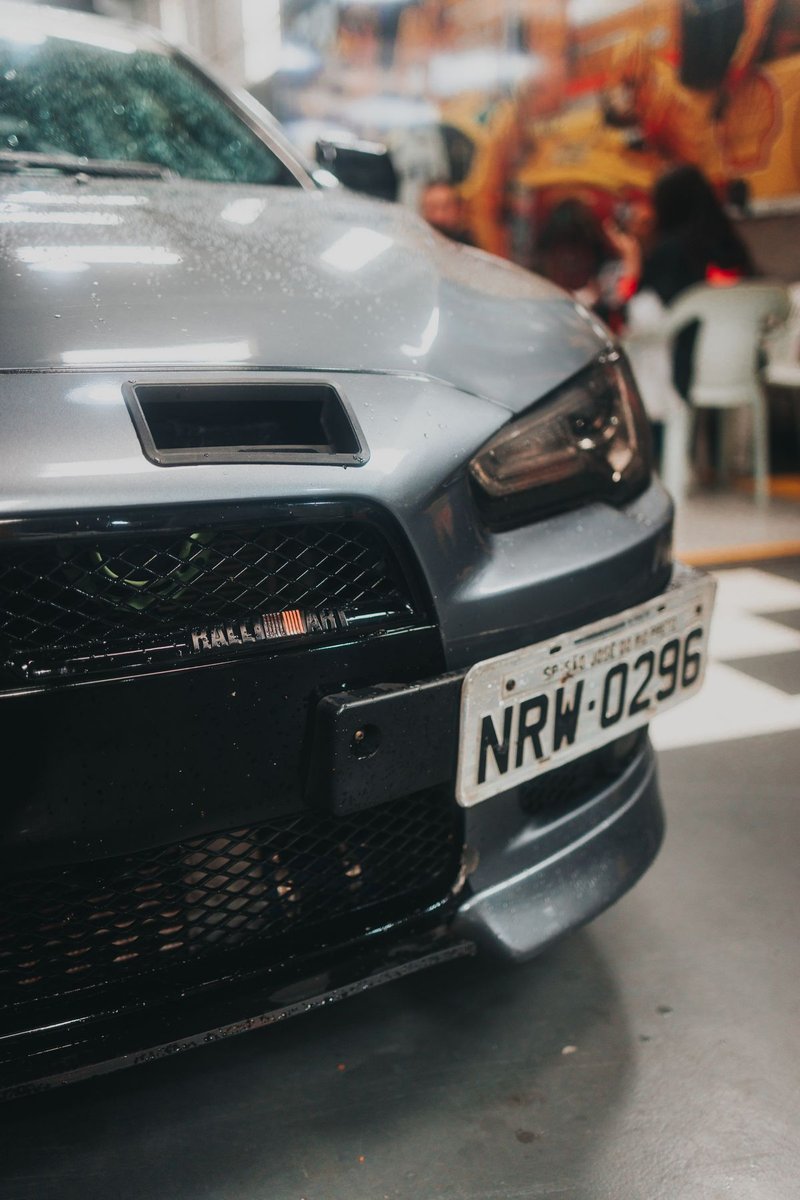
Licence plate recognition, often called LPR or ANPR, is a chain of small steps. A camera captures an image as the vehicle reaches the lane. Software finds the plate within the frame, splits it into individual characters, reads them with optical character recognition, and checks the result against a database of entries, season pass holders or blocked vehicles. A clear breakdown of the five stages behind each plate read shows how quickly that happens in practice, usually in a few seconds.
Accuracy depends heavily on conditions. Camera resolution, the angle to the lane, night lighting, heavy rain and plates with decorative fonts all affect the read rate. Malaysian plates add their own variety, from standard state prefixes to special series and vanity numbers, so software trained on local formats matters more than a brochure accuracy figure.
Where payment fits in
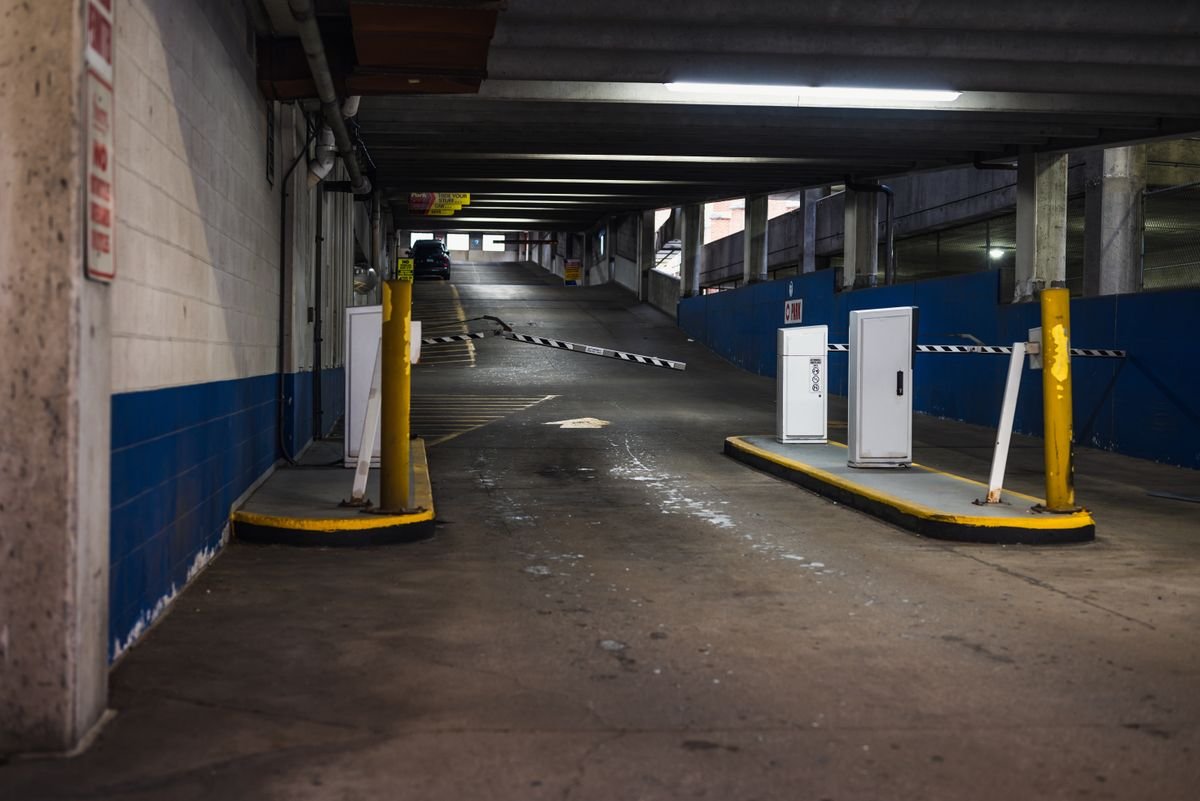
Plate reading on its own only handles identity and timing. The real change comes when it is tied to payment. Drivers can pay at an auto pay station, scan a QR code with an e-wallet, or link a card or account so the fee is charged as they exit. Some sites run gated lanes with barriers, others run open, non-gated bays where enforcement happens through the plate record instead.
For owners, the setup choice shapes operating costs. A gated site with an end-to-end system covering gated and non-gated parking can reduce cash handling and ticket stock, while an open site may need clearer signage and a fair process for disputed charges.
A one minute animation of the plate recognition process, from capture to character reading.
Policy is pushing in the same direction
Malaysia’s urban planning documents already treat smart parking as part of the mobility picture. KPKT’s Malaysia Smart City Framework summary lists enhancing dynamic smart parking infrastructure as a strategy, with examples such as real-time vacancy apps and smart parking meters. Private car parks that move to plate reading and cashless exits fit neatly into that direction, especially near transit hubs.
Operators curious about the wider picture can read Snatch Park’s notes on cashless and automated car parks, which touch on queues, revenue control and bay allocation. Compare points like these with your own peak hour counts before deciding what to automate first.
Privacy and data you now hold
A plate log is a record of where a person’s car was and when. Under Malaysian law, that is not trivial. The Personal Data Protection Department’s FAQ on the PDPA notes that any data allowing a living individual to be identified is protected, lists CCTV images among its examples, and says organisations processing personal data in commercial transactions must comply with the Act.
In practical terms, put up clear notices at entrances, decide how long plate images and logs are kept, limit who can search them, and have a simple process for a driver who asks what you hold about their vehicle.
A sensible first step
If you manage a car park, spend one weekday counting how long cars queue at entry and exit, how many tickets go missing, and how much cash is handled. Those three numbers will tell you more about whether plate recognition and cashless payment make sense than any demo will.