
Month: October 2026

Person in a denim shirt writing in a small black notebook beside a laptop on a wooden desk

UAE Adult Guide to Vape Brands, Devices and Labels

Adult vape education starts with age gates and labels

Electronic nicotine products are for adults only. Any useful shopping conversation begins with age verification, nicotine strength in mg/ml, and whether the device is disposable or refillable. Flavour talk without those basics is entertainment, not education. If you do not already use nicotine, public health guidance generally advises against starting for recreation.

Independent primers such as NHS notes on e-cigarettes and WHO questions and answers on e-cigarettes explain what is known, what remains uncertain, and why youth use is treated as a separate risk. Consumer safety overviews from HSA consumer safety reinforce the same caution about unverified online claims. Read those before brand pages.

Brand pages should show rules before catalogues

A responsible brand overview states adult-only policies, where products are sold, and how to read pack warnings. It should not frame nicotine as a lifestyle accessory for teenagers or non-smokers. Look for age language near the footer and for product disclaimers that survive a careful scroll.

When you want a regional map of how one UAE-facing brand presents itself, open this UAE brand overview for adult shoppers and capture anything the page leaves vague: battery disposal, warranty limits, and whether flavours are sold only through licensed retailers. Vague pages deserve a slower decision, not a faster cart.

Devices: pods, coils and power limits

Device categories differ in how liquid is stored, how coils heat, and how easy it is to see remaining liquid. Overheating, damaged batteries, and incompatible chargers are common failure modes. Keep devices away from children and pets. Do not modify batteries or use damaged cells. Store spare pods away from heat and direct sun.

For a category listing that groups devices without inventing new country paths, see a device category listing for pod systems and note which items are disposable versus refillable. Match that list to the battery and coil notes already in your notebook, not to colour preference alone. If a product photo looks nothing like the unit in a licensed shop, stop and verify the model name on the box.

CDC Public Health Grand Rounds education on e-cigarettes as a public health topic.

Flavour and e-liquid pages: read the chemistry line

Flavour names are marketing. The label lines that matter are nicotine strength, PG/VG ratio when stated, bottle volume, and batch or expiry information where provided. Sweet dessert names do not change how nicotine affects dependence. Adults who already smoke and are comparing options still need the same label discipline.

Where a flavour listing is published for the UAE catalogue, you can review this e-liquid flavour listing for how strengths and categories are organised. Compare any number on that page with the printed bottle you can hold in a licensed shop. Online screenshots are not a substitute for a physical label check, and empty catalogue states on a live URL still do not justify inventing a different country path.

Flat lay of a halved pineapple filled with berries, surrounded by orange, lime, grapefruit, strawberries, kiwi and blackberries on white
Fruit names on a label describe flavour, not nicotine strength or who the product is suitable for.

A calmer adult decision loop

Confirm you are of legal age. Decide whether you are reducing combustible smoking under medical advice or simply browsing. Copy nicotine strengths and device types onto paper. Recheck public health pages when claims sound absolute. Dispose of batteries through proper e-waste channels. The useful outcome is an informed adult choice, not a faster checkout, and not a gift purchase for someone who has never used nicotine. Keep the same notebook when laws or pack warnings change, because adult rules are not static.

Stacked light timber planks in a warehouse with airflow stickers between layers

Solid Timber Buying Notes for Malaysian Projects

Solid timber decisions start with end use

Solid timber is valued for strength, repairability, and the character of natural grain. It is also sensitive to moisture movement if storage and installation ignore local humidity. Buyers who specify wood for furniture, joinery, or structural components should begin with the duty the piece must perform, not with a romantic preference for a species name alone.

Supplier overviews such as solid timber catalogues help teams compare grades and dimensions. Ask for moisture content readings and grading notes, not only for pretty sample boards.

Stacked light timber planks in a warehouse with airflow stickers between layers
Solid timber decisions start with end use, moisture control, and how stock is stickered in storage.

The Malaysian Timber Industry Board (MTIB) provides industry information and standards context for timber trade in Malaysia. The Food and Agriculture Organization forestry hub frames global sustainable forest management themes that buyers increasingly ask about in tenders. Use both when writing procurement specifications that must survive audit questions.

Certification schemes and chain-of-custody paperwork matter when clients demand verified sourcing. Build those documents into purchase orders early.

Moisture, storage, and Malaysian weather

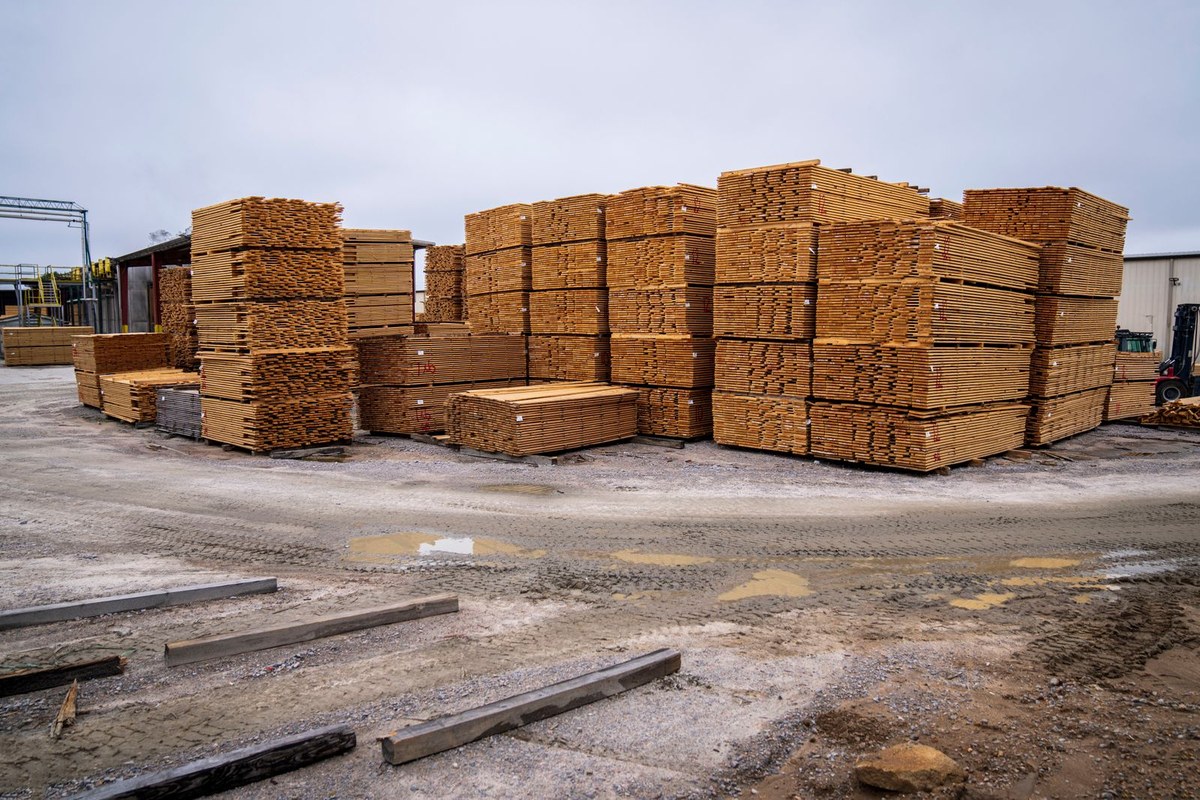
Outdoor lumber yard with tall stacks of light-colored planks on muddy gravel ground
Malaysian weather makes outdoor storage and site acclimatisation part of the purchase-order checklist.

Timber moves as humidity changes. Acclimatise boards on site before final fixing. Keep stacks off wet floors and under cover. Ignoring storage turns excellent stock into cupped planks that finish poorly.

Measure moisture before finishing coats. Trapping damp under varnish creates costly callbacks.

Educational comparison themes between solid and engineered timber products.

Grading language worth understanding

Grade marks describe appearance and structural expectations. A furniture maker and a formwork contractor will reject different defects. Clarify whether you are buying appearance grade, structural grade, or mixed parcels. Reject deliveries that do not match the purchase order rather than improvising on site.

Photograph bundles on arrival with delivery notes visible. Disputes shrink when evidence is immediate.

Machining and finish planning

Some species machine cleanly; others tear out without sharp tooling and supportive feeds. Test finishes on offcuts. Oil, lacquer, and hardwax systems behave differently in humid rooms. Match finish chemistry to cleaning regimes the end user will actually follow.

Train installers on fastener choices. Wrong screws split valuable edges.

Chain of custody and site acclimatisation in humid climates

Agree on moisture content, dimensions, and tolerance in writing before the order is confirmed, so site teams are not improvising paperwork after bundles arrive. Clarify whether you are buying appearance grade, structural grade, or mixed parcels, because a furniture maker and a formwork contractor will reject different defects.

Timber moves as Malaysian humidity changes. Acclimatise boards on site before final fixing, keep stacks off wet floors and under cover, and measure moisture before finishing coats. Trapping damp under varnish creates costly callbacks that look like finish failure but began as storage failure.

Test finishes on offcuts. Oil, lacquer, and hardwax systems behave differently in humid rooms, and cleaning regimes the end user will actually follow should drive chemistry choices. Train installers on fastener selection; wrong screws split valuable edges that no schedule can quietly absorb.

For exterior or wet-area uses, confirm species durability ratings and whether preservative treatment is required by the specification. Interior furniture grades used outdoors fail for predictable reasons that no amount of varnish fully repairs. Align delivery windows with site readiness so bundles are not stored through monsoon weeks in open yards.

When tenders demand sustainable forest management evidence, attach MTIB-relevant documents and any chain-of-custody certificates to the bid pack rather than promising to find them after award. Auditors ask early; scramble responses look like risk.

Why specification discipline beats romantic species names

Solid timber projects succeed when species, grade, dimensions, moisture targets, and delivery windows are written into one shared specification that supplier and supervisor both hold. Sample boards show grain character; they do not replace moisture readings or grade notes on the delivery that actually arrives.

Photograph bundles on arrival with delivery notes visible. Disputes shrink when evidence is immediate, and rejected parcels that fail the purchase order save more money than forced improvisation on site.