Solid timber decisions start with end use
Solid timber is valued for strength, repairability, and the character of natural grain. It is also sensitive to moisture movement if storage and installation ignore local humidity. Buyers who specify wood for furniture, joinery, or structural components should begin with the duty the piece must perform, not with a romantic preference for a species name alone.
Supplier overviews such as solid timber catalogues help teams compare grades and dimensions. Ask for moisture content readings and grading notes, not only for pretty sample boards.
The Malaysian Timber Industry Board (MTIB) provides industry information and standards context for timber trade in Malaysia. The Food and Agriculture Organization forestry hub frames global sustainable forest management themes that buyers increasingly ask about in tenders. Use both when writing procurement specifications that must survive audit questions.
Certification schemes and chain-of-custody paperwork matter when clients demand verified sourcing. Build those documents into purchase orders early.
Moisture, storage, and Malaysian weather
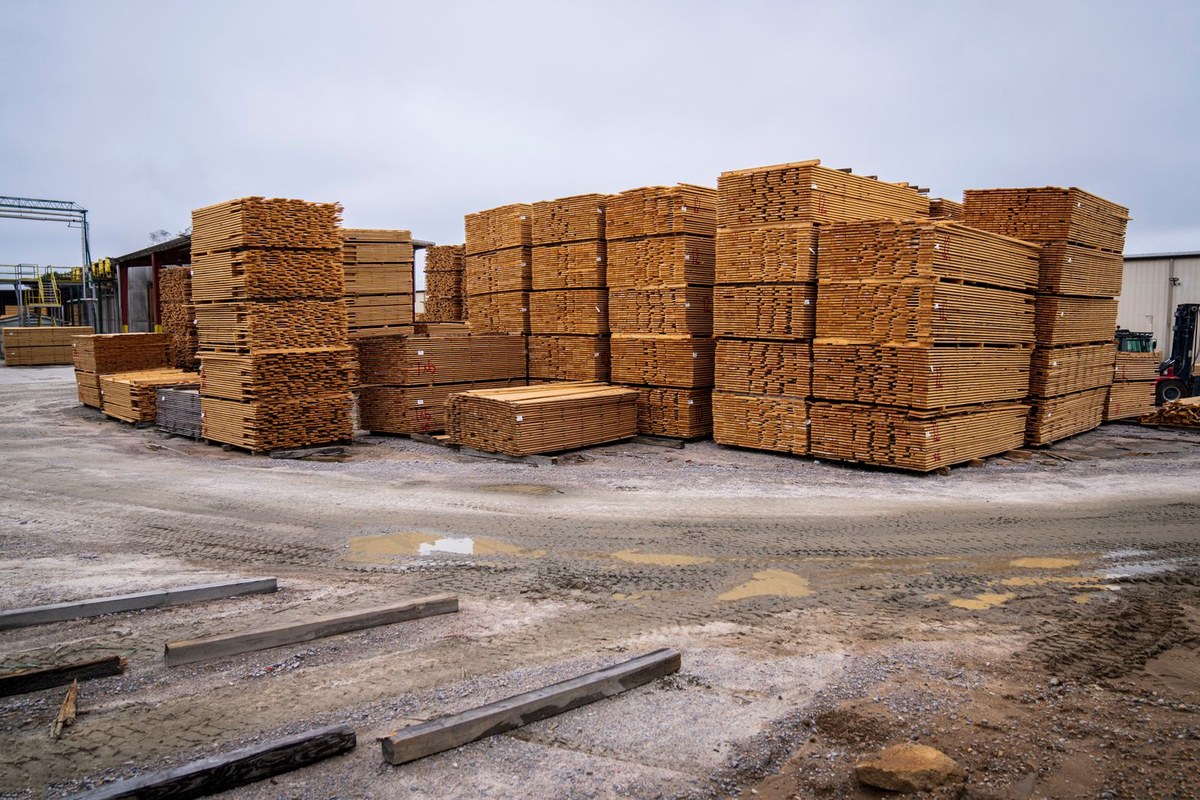
Timber moves as humidity changes. Acclimatise boards on site before final fixing. Keep stacks off wet floors and under cover. Ignoring storage turns excellent stock into cupped planks that finish poorly.
Measure moisture before finishing coats. Trapping damp under varnish creates costly callbacks.
Grading language worth understanding
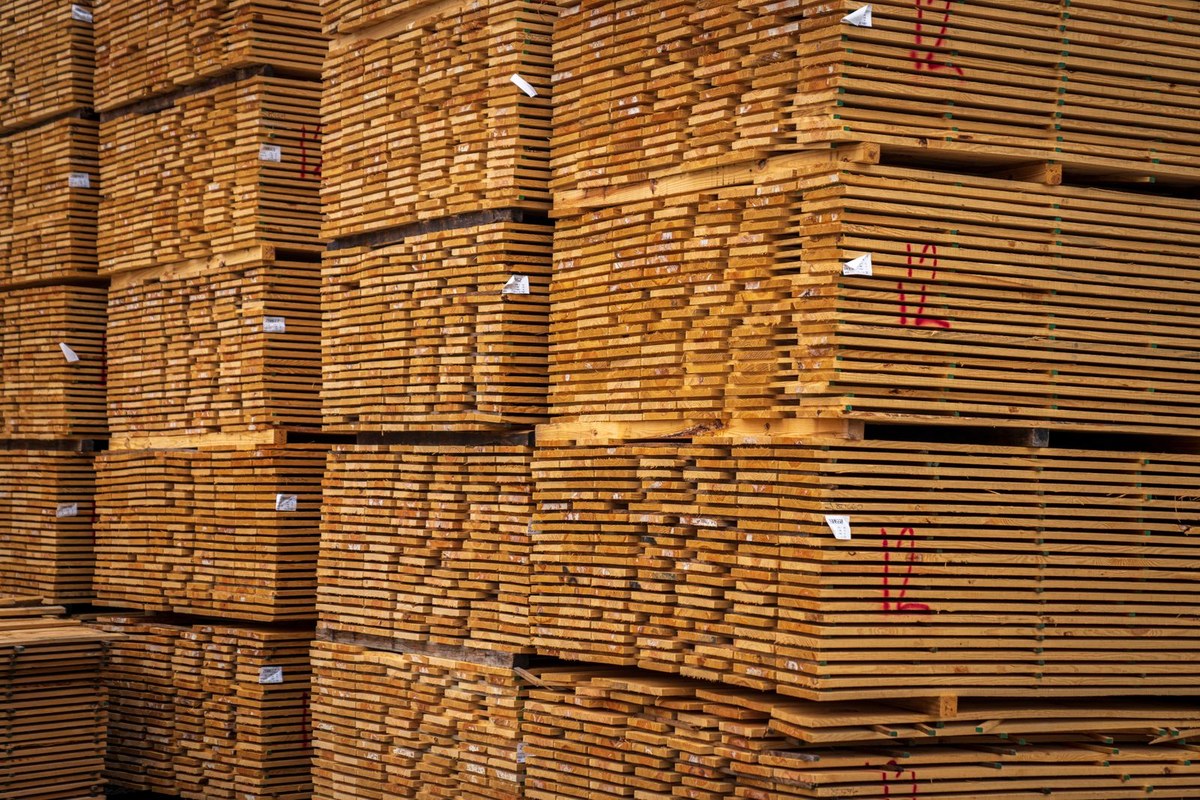
Grade marks describe appearance and structural expectations. A furniture maker and a formwork contractor will reject different defects. Clarify whether you are buying appearance grade, structural grade, or mixed parcels. Reject deliveries that do not match the purchase order rather than improvising on site.
Photograph bundles on arrival with delivery notes visible. Disputes shrink when evidence is immediate.
Machining and finish planning
Some species machine cleanly; others tear out without sharp tooling and supportive feeds. Test finishes on offcuts. Oil, lacquer, and hardwax systems behave differently in humid rooms. Match finish chemistry to cleaning regimes the end user will actually follow.
Train installers on fastener choices. Wrong screws split valuable edges.
Chain of custody and site acclimatisation in humid climates
Agree on moisture content, dimensions, and tolerance in writing before the order is confirmed, so site teams are not improvising paperwork after bundles arrive. Clarify whether you are buying appearance grade, structural grade, or mixed parcels, because a furniture maker and a formwork contractor will reject different defects.
Timber moves as Malaysian humidity changes. Acclimatise boards on site before final fixing, keep stacks off wet floors and under cover, and measure moisture before finishing coats. Trapping damp under varnish creates costly callbacks that look like finish failure but began as storage failure.
Test finishes on offcuts. Oil, lacquer, and hardwax systems behave differently in humid rooms, and cleaning regimes the end user will actually follow should drive chemistry choices. Train installers on fastener selection; wrong screws split valuable edges that no schedule can quietly absorb.
For exterior or wet-area uses, confirm species durability ratings and whether preservative treatment is required by the specification. Interior furniture grades used outdoors fail for predictable reasons that no amount of varnish fully repairs. Align delivery windows with site readiness so bundles are not stored through monsoon weeks in open yards.
When tenders demand sustainable forest management evidence, attach MTIB-relevant documents and any chain-of-custody certificates to the bid pack rather than promising to find them after award. Auditors ask early; scramble responses look like risk.
Why specification discipline beats romantic species names
Solid timber projects succeed when species, grade, dimensions, moisture targets, and delivery windows are written into one shared specification that supplier and supervisor both hold. Sample boards show grain character; they do not replace moisture readings or grade notes on the delivery that actually arrives.
Photograph bundles on arrival with delivery notes visible. Disputes shrink when evidence is immediate, and rejected parcels that fail the purchase order save more money than forced improvisation on site.