
Choosing the right floor tiles is one of the most important decisions in any home renovation or new build. The tiles you select influence the comfort, safety, and overall appearance of a living space for years to come. With a wide variety of materials, finishes, and sizes available across tile shops in Malaysia today, understanding the key differences helps homeowners make choices that suit both their lifestyle and local conditions.
Why Floor Tiles Are Popular in Malaysian Homes
Malaysia’s humid climate, frequent rainfall, and consistently warm temperatures make floor tiles a practical choice for most homes. Moisture-resistant and highly durable, tiles withstand the conditions of tropical living far better than many alternative flooring materials.
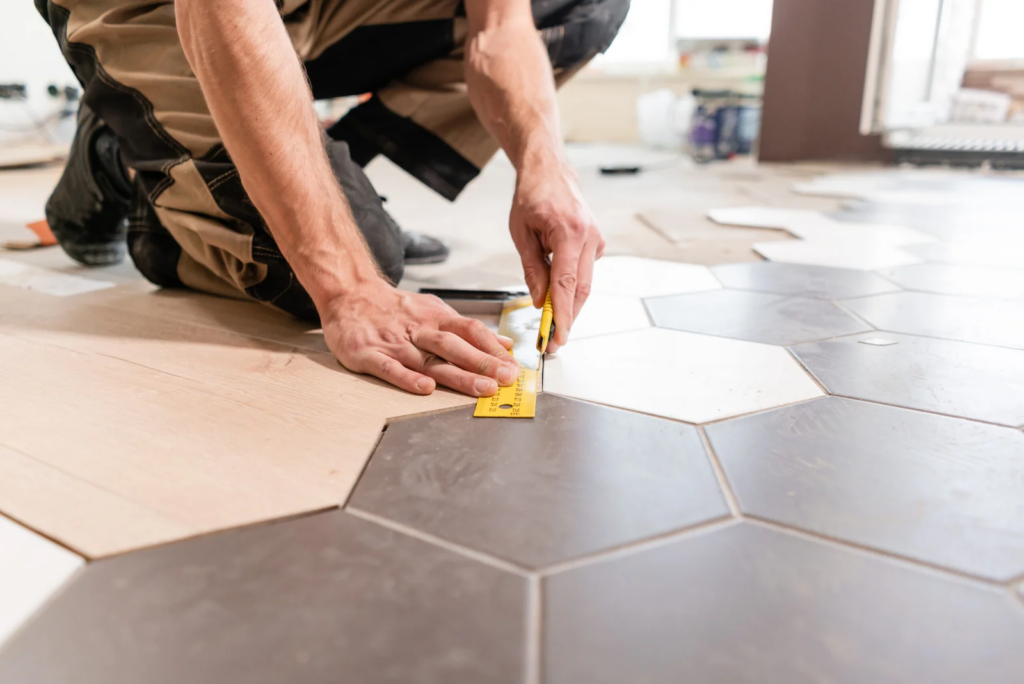
Beyond practicality, floor tiles offer considerable design flexibility. They are available in marble-look, cement-look, and wood-look finishes, and can be laid in various patterns to suit different interior styles. When properly installed, quality tiles retain their colour and structural integrity for decades with minimal maintenance required.
Types of Floor Tiles Available in Malaysia
Understanding the characteristics of different tile materials helps homeowners make more informed decisions before visiting a tile shop.
Ceramic tiles are among the most accessible options available in Malaysia, offering a reasonable price range and suitability for a variety of indoor spaces including living rooms, hallways, and bedrooms. Their cool surface is well suited to Malaysia’s warm climate. However, ceramic tiles are not recommended for outdoor use or high-traffic areas, as they are more prone to cracking and surface wear under demanding conditions.
Marble tiles remain a popular choice for homeowners seeking a combination of natural beauty and versatility. Suitable for floors, wall tiles, and countertops, marble’s cool surface is particularly well suited to tropical climates. It is worth noting that marble is naturally porous and requires regular sealing and polishing to prevent staining and moisture absorption over time. For those who appreciate its aesthetic and are prepared for the maintenance commitment, marble delivers a timeless result.
Sintered stone Malaysia has grown in popularity due to its exceptional durability. Resistant to scratches, stains, and temperatures up to 300 degrees Celsius, it requires no sealing and is straightforward to clean. Sintered stone is particularly well suited to high-traffic areas and kitchen countertops. It is generally positioned at a higher price point than some natural stones, but represents a strong long-term investment. Professional installation by an experienced fabricator is recommended, as the material is heavy and requires careful handling during cutting and fitting.
Choosing Floor Tiles Based on Room Function
Different areas of the home have distinct requirements in terms of durability, slip resistance, and maintenance.
Bathrooms are high-moisture environments where waterproof and slip-resistant tiles are essential. Textured or matte finishes provide better grip and reduce the risk of accidents. Ceramic tiles are a practical and widely used choice for bathrooms, while properly sealed marble tiles are a suitable option for homeowners who prefer a more refined aesthetic. Check out Dongpeng bathroom tiles here.
Kitchens are subject to heat, grease, and heavy daily use. Tiles selected for kitchen floors and countertops should be stain-resistant, moisture-resistant, and scratch-resistant. Sintered stone performs particularly well in this environment due to its strength and ease of maintenance. Lighter or neutral colours help conceal minor stains and keep the kitchen looking well-maintained over time.
Living rooms, hallways, and bedrooms benefit from tiles that balance aesthetics with comfort underfoot. Marble tiles are effective at making spaces feel more spacious and elegant, while neutral or minimalist patterns offer greater flexibility when coordinating with furniture and interior decor. Learn more about Dongpeng kitchen tile collection here.
How to Evaluate Tile Quality Before Buying
Several factors are worth assessing before making a final tile purchase.
The PEI hardness rating indicates how well a tile holds up under varying levels of foot traffic. Ratings of one to two are suitable for walls or low-traffic areas, three to four are appropriate for moderate-traffic residential spaces such as living rooms and hallways, and a rating of five is recommended for high-traffic areas including busy kitchens or commercial spaces.
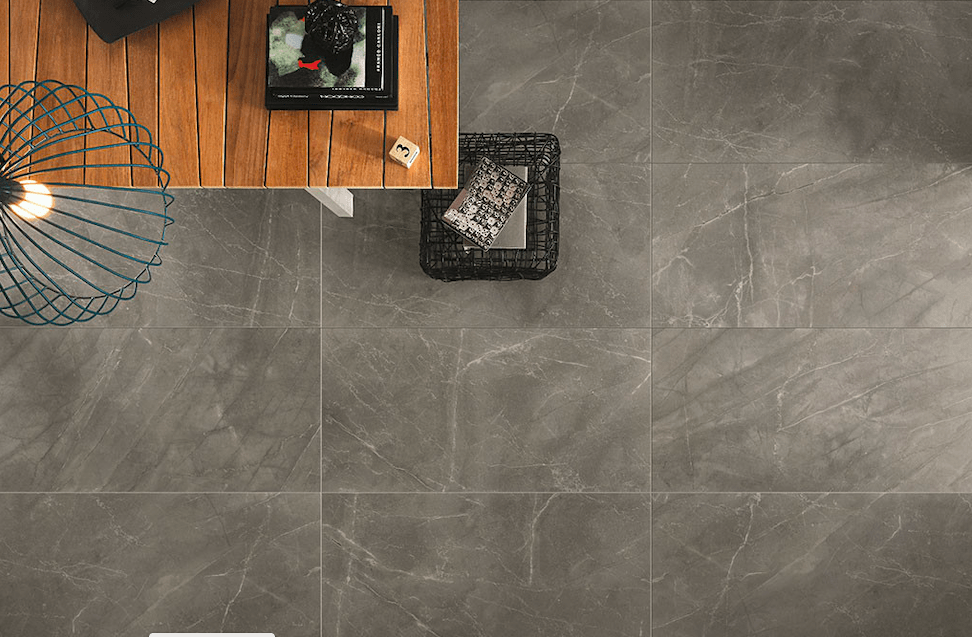
Water absorption is another important consideration. Tiles with low water absorption are more resistant to cracking, staining, and moisture damage over time. Surface finish also plays a role in both safety and appearance. Matte surfaces offer slip resistance, polished surfaces deliver a refined aesthetic, and textured surfaces enhance grip while adding visual interest.
Tile thickness contributes to overall strength and longevity. Thicker tiles are generally more durable and better suited to high-traffic areas. Grout compatibility should also be confirmed to ensure a seamless and long-lasting installation.
Before finalising any purchase, measure your space carefully and calculate the number of tiles required, including a buffer for cuts and breakage. Inspect tile samples under natural light to confirm that the colour and texture match your expectations. Choosing a reputable and best tiles shop in Malaysia that offers warranty coverage and professional installation services provides additional assurance that the finished result will meet the standard you are looking for.